
Importance of a Good Water Line Maintenance Schedule | Residential Water Line Replacement & Installation
Request a Quote
Water Line Replacements | Water Main Problems and How Residential Water Line Contractors Can Help
Holes or cracks in a water main can form over time as a result of external corrosion from the soil or frost.
Because water pipes are under pressure, a disturbance in the water main lines will result in water flowing out of the pipes, eventually reaching the surface level, be it your street, front lawn, or your home's basement. This may also bring in contaminated water in the home. When this happens, it's critical to turn off all appliances and stop drinking tap water.
In an emergency, there is usually a house shutoff valve that will turn off the flow of water through the main. If your public utility does not first turn off the water, you can locate the homeowner shut-off valve. This will be next to your water meter, and you will need to turn off the water flow yourself. You can accomplish this using a water meter key.
A leaking water valve is another common issue. Some water valves (for example, gate valves) are more prone to leaking. It may be possible to stop the leak by tightening the packing nut on the water valve. Other options include adding more washers or replacing old washers. However, in most cases, it is best to hire a professional residential water line contractor to repair the leak and assist with things like Leak Detection. If the valve needs to be replaced, professional assistance will be required.
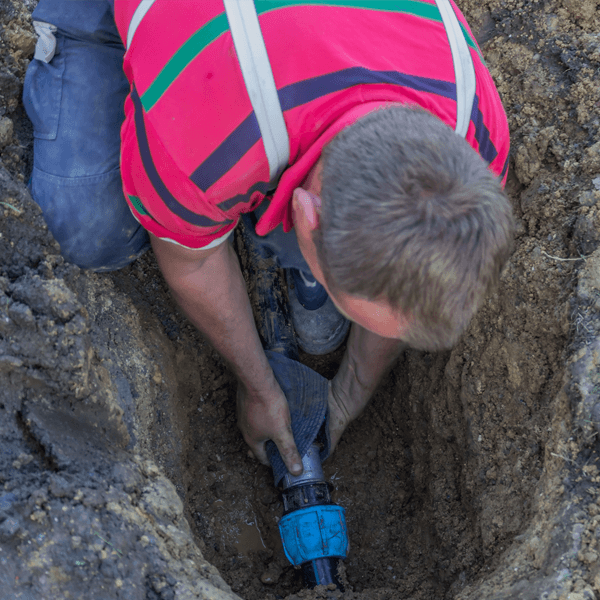
If a leak is discovered in your water main, it is critical to address the issue as soon as possible to avoid long-term damage to your home and property. Here are a few things to remember.
1. When there are red flags, choose a full residential water line replacement service.
The following are the most common red flags in main water lines:
- The house is more than 50 years old.
- Plumbing issues have persisted for several months/years.
- These are all indications that a repair may not solve your water main problem.
2. Select Trenchless Replacement.
Trenchless technology enables you to replace a damaged water main without excavating a large hole across your entire property. This strategy is now very popular among homeowners.
3. Research Before You Dig
Did you know that an underground utility line is damaged every 6 minutes in the United States? Before attempting a water line repair or replacement, dial 8-1-1 and speak with a utility line inspector to ensure that you and/or your pipe repair professional are properly protected from hazards such as electrocution.
4. Avoid Do-It-Yourself Repairs
Some online videos and articles will outline the fundamental steps for pipe repair, but in our experience, this is a job best left to professionals. Those who attempt a do-it-yourself repair frequently end up paying more in the long run because it necessitates an expensive redo. There may even be additional damage to repair if the DIY project goes wrong.
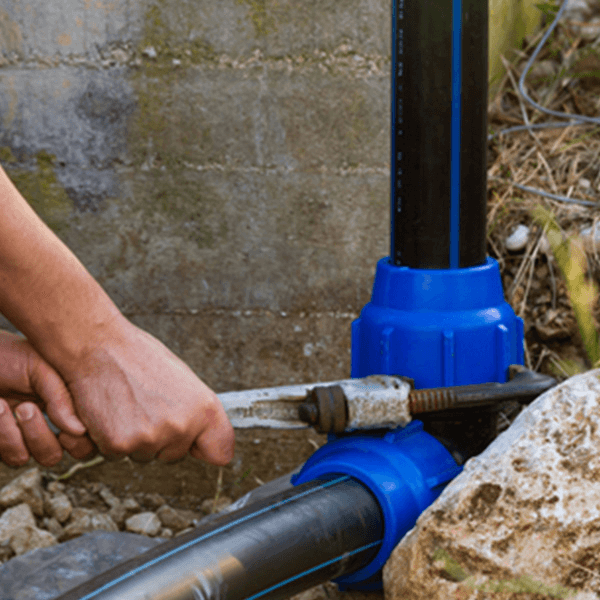
The replacement of the main water line is accompanied by signs. A lot can go wrong with your plumbing, and there are several factors that can wear down your main water line over time, including time, use, and weather conditions. Every day, your plumbing goes through a lot, and just like your home's pipes and drains, your sewer's main water line can clog and break down. No homeowner wants to deal with the stress of leaking plumbing, but it happens, and knowing when to replace your main water line is critical.
Symptoms of a Broken Main Water Line
Taking proper care of your plumbing, including your drains, is a top priority. Your main water line is in charge of transporting water into and out of your home. It constantly receives a large amount of water, making it vulnerable to damage such as clogs, breaks, and leaks. A broken main water line, on the other hand, can be disastrous for your home, rendering all of your plumbing inoperable or, worse, flooding your home with raw sewage.
Fortunately, most plumbing disasters can be avoided with proper maintenance. Some damages are unfortunately discovered too late, but delaying a replacement will only lead to more plumbing issues. Knowing when your main sewer line is clogged is a good place to start, and it can help you avoid a plumbing disaster in the future.
- Plumbing clogs could indicate that there is a clog somewhere in the main sewer line, and can be caused by a variety of factors, including an accumulation of waste and other debris, tree roots, and a collapsed or aging pipeline.
- Invasion of tree roots, notoriously known for infiltrating your plumbing and causing major clogs. A tree's roots are constantly seeking moisture, and if it's close enough to the main sewer line, it can squeeze through, damaging the pipes.
- Decreased water pressure resulting in mediocre showers might be a sure indicator that it's time to replace your main water line.
- Pipe deterioration can cause dirt and debris to enter your drinking water. If you notice any discoloration in your tap water, strange odors, or a grainy texture, it's possible that it is contaminated. If left untreated, a broken main water line can pose serious health risks.
- Damage pipe connections resulting in water ponds and lush patches of grass.
- Strange noises aren't normal, so you shouldn't be hearing any as your water runs.
- Spiked utility bills becoming consistently higher than usual, are an indication that your main water line needs to be replaced.
Plumbing pipes can be used for a variety of purposes, including transporting water to your kitchen faucet and delivering waste to your sewage system. Drainage and distribution systems of this type have existed since the dawn of civilization. Clay pipes were utilized by the Greeks to bring water to their dwellings and public structures. Cast iron, terra-cotta, copper, and galvanized steel grew more fashionable as the early twentieth century progressed.
Things progressed considerably more as our understanding of lead poisoning grew. There are many various types of pipes accessible today, each with its own purpose.
- Copper plumbing pipes are also suitable for underground plumbing since they are resistant to rust and leakage. They are, however, susceptible to specific soil conditions. It's a good idea to verify with your local building codes before starting any job.
- PVC pipes are by far the most prevalent type of pipe found in private residences. This type of pipe is inexpensive and comes in a variety of fittings and sizes. It's also suitable for a wide range of warm and cold water applications.
- PEX pipes are still preferred by plumbers due to their flexibility and ease of installation. It does not require the use of glue, which can seep into the water, unlike PVC. It's also corrosion-resistant, making it suitable for use with metal pipes.
- Chlorinated Polyvinyl Chloride (CPVC): Chlorine can be added to PVC pipes to make this sort of plumbing pipe. This improves the material's thermal performance as well as its fire and corrosion resistance.
- Polypropylene pipes have a lower density and are less expensive to carry than metal fittings such as copper pipes. Because of its chemical and heat resilience, affordability, and low cost, polypropylene pipe is employed in a variety of industrial situations. It is commonly employed in a variety of waste streams, including residential and commercial settings.
- Although cast iron and galvanized steel pipes are rarely used in new construction, they are ubiquitous in residences erected in the early twentieth century. They’re extremely robust and are still used in water distribution systems today.
A water main leak that goes unnoticed can cause extensive (and costly) structural damage. This can include flooring and wall damage, mildew and mold problems, and water waste that is harmful to the environment and raises water bills.
How can you tell if your water main or other parts of your plumbing are leaking? Wet spots or mildew on your floors and walls are frequent indicators.
Remember that leaks are frequently found in difficult-to-reach places, such as under a slab or buried in the lawn, where they go unnoticed until they cause significant damage. The only way to be certain that your plumbing is leaking is to turn off all of your water fixtures and check your water meter to see if water is flowing or not, or to hire a leak detection service. An experienced residential water line installation expert will be able to assist you in all things water line related. Professional, safe installations are key to making sure you get the full life of your main water lines.
Leak detection is a specialized skill, and our team is happy to refer you to a local leak detection professional whose technology will find any leaks in your plumbing.
If you're looking for a plumber, go no further than xx; our highly qualified professionals will be happy to help.
- We've been repairing water lines for households for many years. Local plumbers will be there when you need them most, with a professional attitude and the goal of only leaving satisfied customers.
- You'll need a plumber at some point, whether you're a local business or a homeowner, to keep your pipes in good operating order, and our 24-hour services are always available!
- We guarantee your complete satisfaction with our service because we have years of experience in the plumbing business.
- We ensure that you obtain only the best handymen with a proven track record when you use our first-class service.

Nobody enjoys leaking pipes and water puddles in their homes. Plumbers should be your go-to solution in these situations, so make sure to fill in the form below to get in touch with us. We'll ensure that your drainage system is installed and functioning properly in your home.